
Agricultural waste
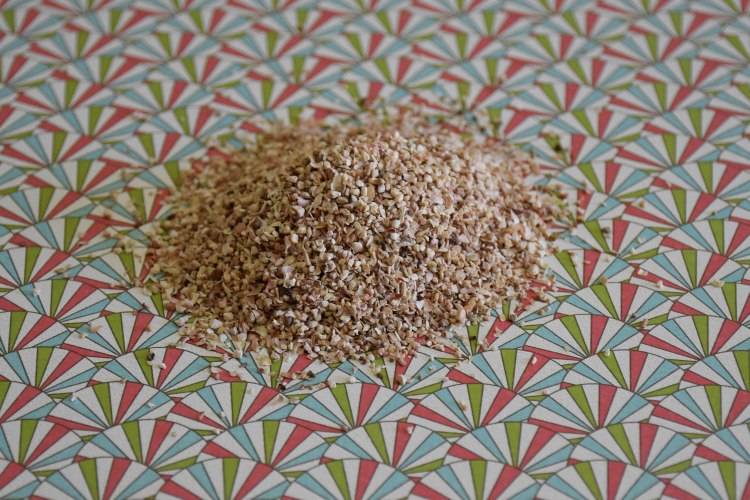
Farmers are increasingly restricted from burning crop waste and no-till practices aim to conserve soil quality preclude turning over waste to degrade in the ground. Composites using agricultural cellulose offer new outlets for today’s farmers.
Corn Cob
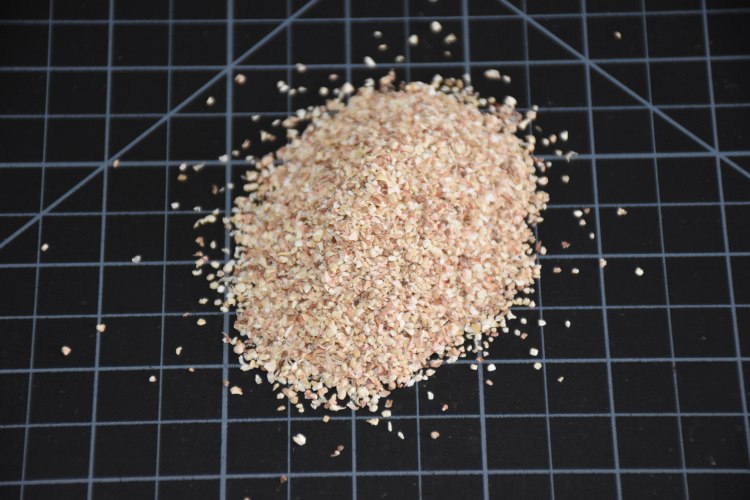
The cob is composed of three parts including chaff, woody-ring and the pith. Applications currently are primarily for cleaning up blistered and cracked painted surfaces via sand-blasting equipment. Most recently, farmers have been bailing corn stalks as they do with wheat straw adding yet another cellulose to choose from.
Bamboo fiber
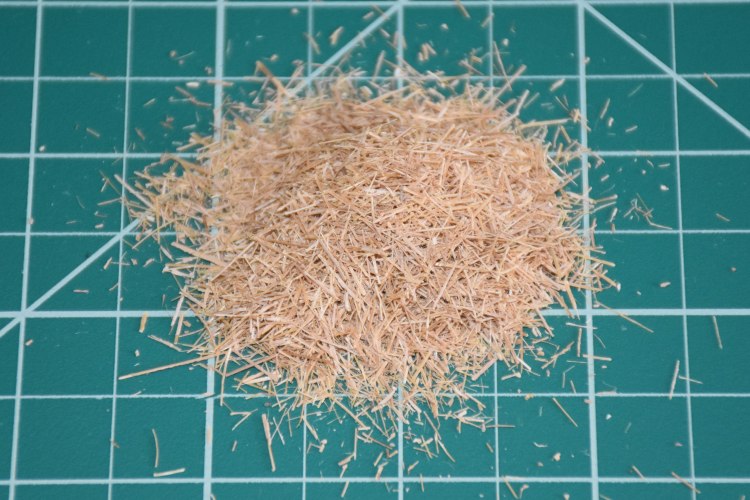
Bamboo has thousands of applications, but composites utilizing bamboo are still in their infancy. Bamboo tensile strength falls short of carbon fiber but rather closer to steel. Effort is underway to cultivate certain bamboo species in the subtropical regions of Mississippi, Alabama, and Florida.

Custom Fibers
Production excess results in potential materials for innovative composites.
Cork
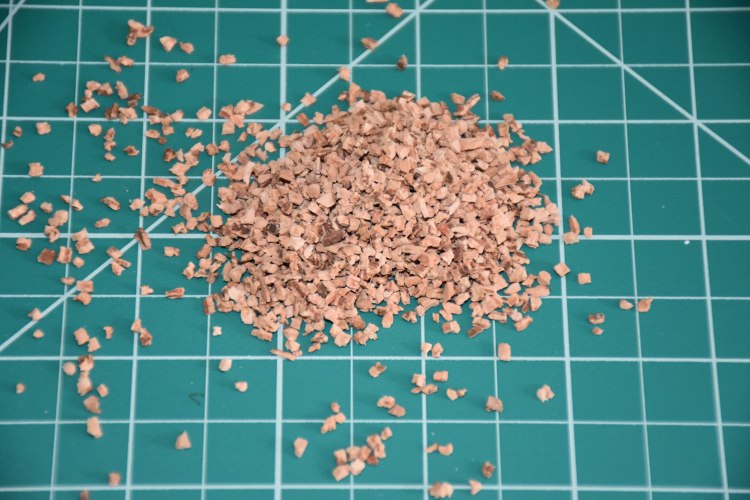
Portugal is the source of most cork. Once wine stoppers are cut from the bark, plenty of cork residue is available.
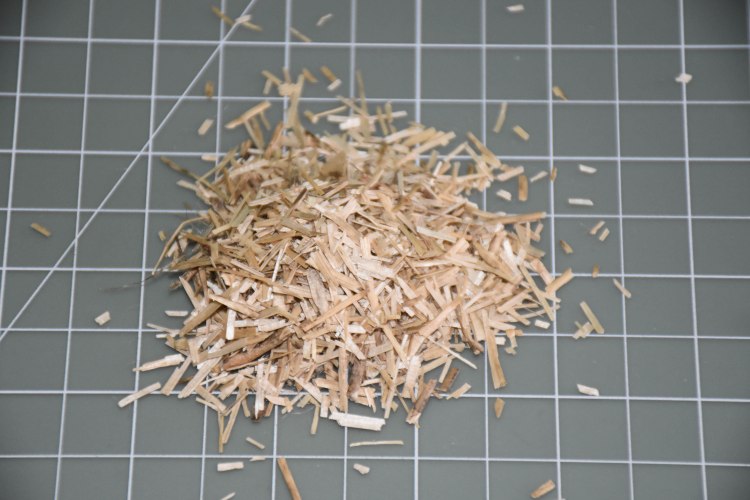
Flax Shive and Hemp Hurd
Bast fibers come from flax, hemp, kenaf and jute. In addition to long fibers, these materials also provide a central core referred to as hurd or shive. These core materials are in less demand than the central fibers, but hold great potential for lightweight composites.
 Opportunity Composites LLC